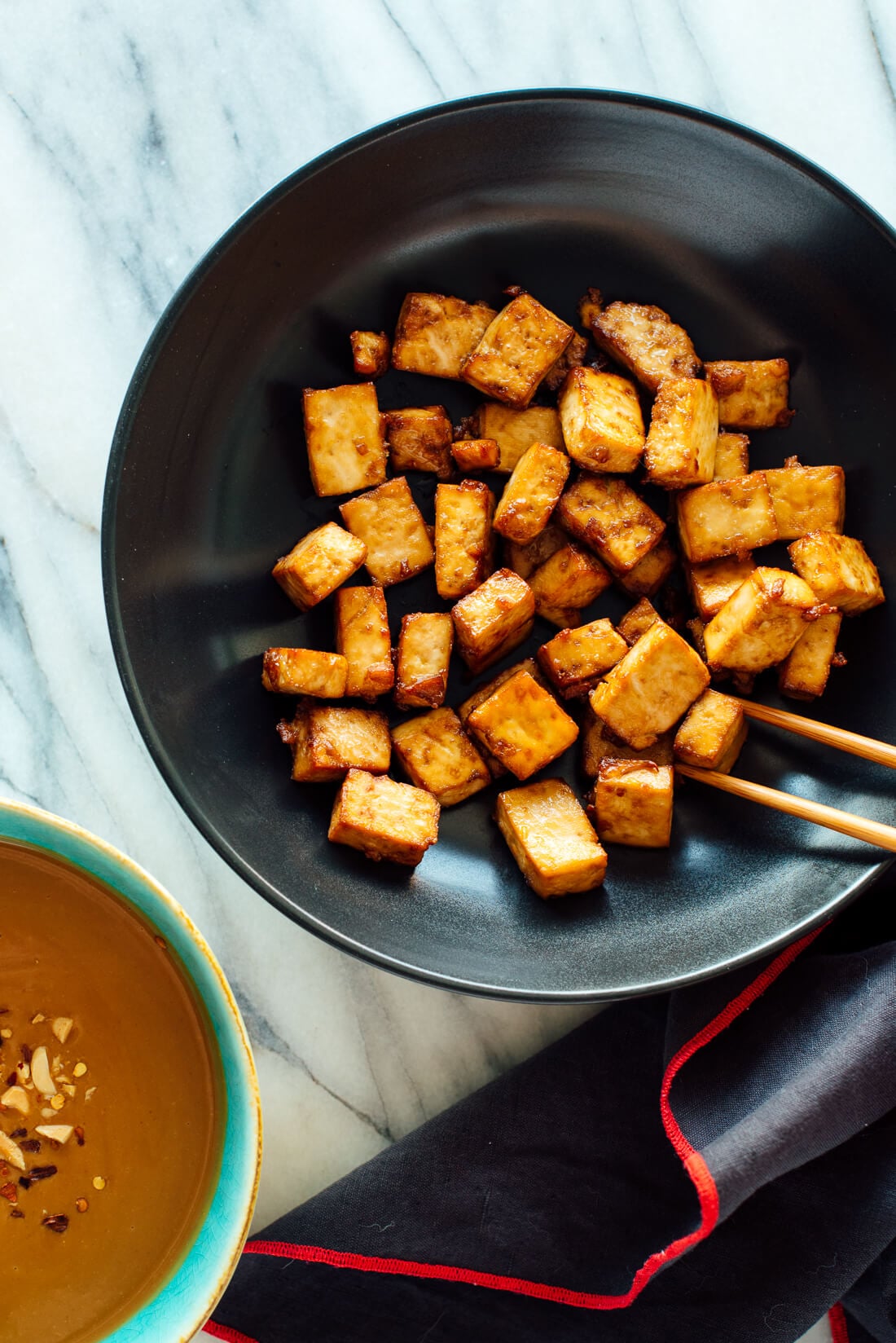
Tofu. For many, it's a culinary enigma – a blank canvas with incredible potential, yet often marred by a common pitfall: sogginess. We've all been there, hoping for that golden, crisp exterior and a satisfying chew, only to be met with a rubbery, flavor-resistant block. But what if we told you that achieving truly crispy baked tofu isn't just possible, it's surprisingly simple? Forget the greasy pan-fried mishaps or the disappointment of a watery marinade. This comprehensive guide will transform your tofu experience, making you a master of the crunch. Get ready to learn how to make crispy baked tofu that even skeptics will adore, turning that elusive beast into a delicious reality.
The Foundation of Crispiness: Choosing the Right Tofu & Mastering the Press
The journey to ultimate crispiness begins even before you turn on the oven. The type of tofu you select and how you prepare it are paramount. Think of it as laying the groundwork for a culinary masterpiece.
Selecting Your Tofu Champion
First and foremost, ditch anything labeled "silken" or "soft." For our mission of crispiness, you need the firmest tofu you can get your hands on. Extra-firm tofu is the absolute minimum, but if you can find "super-firm" or "vacuum-packed" varieties, these are often the best choice as they contain significantly less water from the start. Brands like Trader Joe's are often lauded for their extra-firm blocks, which are not only budget-friendly but also impressively dense, organic, and naturally lower in moisture.
The Art of the Press: Maximizing Moisture Extraction
This is arguably the most critical step in learning how to make crispy baked tofu. Tofu, by its very nature, is a sponge, and a water-logged sponge will never crisp up properly. While many try to press an entire block or two halves, this is often inefficient. The secret lies in maximizing the surface area.
- Slice First, Press Later: Instead of pressing a whole block, slice your extra-firm tofu into your desired shapes (cubes, triangles, or planks, about ½ to ¾ inch thick) *before* pressing. This exposes more internal moisture to the outside world.
- The Pressing Process: Arrange your sliced tofu on a layer of paper towels or a clean kitchen towel. Cover with more towels, then place a heavy object on top – a cast iron skillet, a stack of books, or a dedicated tofu press. Let it sit for at least 30 minutes, ideally an hour, to extract as much liquid as possible. You'll be amazed at the amount of water that comes out! This crucial step ensures your tofu can truly dry out and crisp up in the oven. For a deeper dive into why this step is a game-changer, check out our article: Crispy Baked Tofu: Why Pressing & Starch Are Game-Changers.
The Magic of Starch: Elevating Texture & Internal Flavor
Once your tofu is gloriously dry, it's time to introduce the key ingredient for that irresistible golden crust: starch. This simple addition creates a beautifully crisp barrier that protects the tofu's tender interior.
Starch Power: Cornstarch vs. Arrowroot
Both cornstarch and arrowroot powder are excellent choices, each with slight nuances:
- Cornstarch: This processed ingredient is a classic for a reason. It consistently delivers the crispiest, almost shatter-like texture that many associate with perfect fried or baked foods.
- Arrowroot Starch: A less processed, gluten-free alternative, arrowroot also works wonders. It provides a lovely crispness, though it can sometimes feel a little "slippery" if added to very wet sauces after baking (e.g., a curry). For most baked tofu applications, it performs admirably.
For a standard block of tofu, aim for about 1-2 tablespoons of your chosen starch. This creates a thin, almost imperceptible coating that transforms into a glorious crust upon baking.
Seasoning for Internal Delight
While the starch handles the exterior, we want the inside of our tofu to be properly seasoned. After pressing, toss your sliced tofu with:
- A touch of oil: Just 1 tablespoon for a full block is usually enough. This helps the starch adhere and promotes browning. Avocado oil or olive oil work well.
- Tamari or Soy Sauce: About 1-2 tablespoons provides a fantastic umami base and a touch of salt. Tamari is a gluten-free alternative.
- Optional Bouillon: For an extra layer of savory depth, especially if you want a more "neutral" flavor profile that pairs with anything, consider crumbling a vegan "chicken" or vegetable bouillon cube into the mix. This tip, often overlooked, infuses flavor throughout the tofu.
- Neutral Spices: A pinch of white pepper and coriander (as suggested by some experts) can add a subtle, versatile flavor that complements many cuisines.
Gently toss everything together until the tofu is evenly coated. Don't worry if some pieces break apart slightly; they'll still bake up beautifully.
Baking to Perfection: Why the Oven is Your Best Friend
Now that your tofu is perfectly prepped, it's time for the magic of the oven. While some swear by skillet cooking, baking offers superior results without the hassle and excess oil.
The Oven Advantage
Trying to achieve consistent crispiness in a skillet can be a "tofu tragedy." It often leads to sticking, uneven browning, and a requirement for significantly more oil. The crispy bits tend to weld themselves to the pan, leaving you with less-than-perfect tofu. Baking, on the other hand, allows for:
- Even Crispiness: A sheet pan in the oven provides uniform heat distribution, ensuring every piece gets golden and crisp.
- Less Oil: You don't need a lot of oil when baking, making it a healthier option.
- Perfect Texture: The oven gives the tofu time to develop those coveted crispy edges while retaining a warm, slightly pillowy interior.
Baking Instructions for Ultimate Crispiness
- Preheat: Set your oven to 400°F (200°C).
- Arrange: Spread your prepared tofu in a single, even layer on a baking sheet lined with parchment paper or a silicone mat. Do not overcrowd the pan, as this will steam the tofu instead of crisping it. If necessary, use two baking sheets.
- Bake: Bake for 25 to 35 minutes, or until the tofu is beautifully golden brown and firm to the touch. For even crisping, you can gently flip the pieces halfway through the baking time.
Boom! You've just mastered how to make crispy baked tofu that is perfect straight out of the oven.
Flavor Fusion: Post-Baking Strategies
One of the biggest misconceptions about tofu is that marinating it for hours before cooking will infuse it with flavor. In reality, water-logged tofu (even after pressing) isn't very good at absorbing flavor *before* it's cooked. The best strategy for truly flavorful tofu is to add sauces and seasonings *after* it's baked to crispy perfection.
The Post-Bake Flavor Boost
By cooking your tofu first, you allow it to achieve its optimal texture. Then, once it's beautifully crisp, you can introduce flavor without compromising that hard-won crunch:
- Toss in Sauce: Bake your tofu, then gently toss it in your favorite warm sauce (teriyaki, peanut, sweet chili, gochujang, etc.) just before serving. The hot tofu will readily absorb the flavor.
- Drizzle and Serve: For dishes where you want the crunch to remain prominent, simply drizzle sauce over the baked tofu right before eating. This is fantastic with a rich peanut sauce.
- Add to Dishes: Crispy baked tofu is incredibly versatile. Toss it into stir-fries, curries (like Thai red or green curry), or even replace eggs in dishes like kale and coconut fried rice or Thai pineapple fried rice. Its firm texture holds up beautifully.
This method ensures you get both maximum flavor absorption and maximum crispiness – the best of both worlds. For more detailed insights into perfecting both texture and flavor, explore our article: Ultimate Crispy Baked Tofu: Secrets for Perfect Texture & Flavor.
Conclusion
No longer will you suffer the indignity of soggy tofu. By understanding the importance of extra-firm tofu, mastering the slice-and-press technique, leveraging the power of starch, and opting for the reliable heat of the oven, you can consistently create a plant-based protein that boasts incredible texture and readily absorbs flavor. This method for how to make crispy baked tofu isn't just a recipe; it's a game-changer that opens up a world of delicious, versatile meal possibilities. So go ahead, give it a try – your taste buds (and any tofu skeptics) will thank you!
