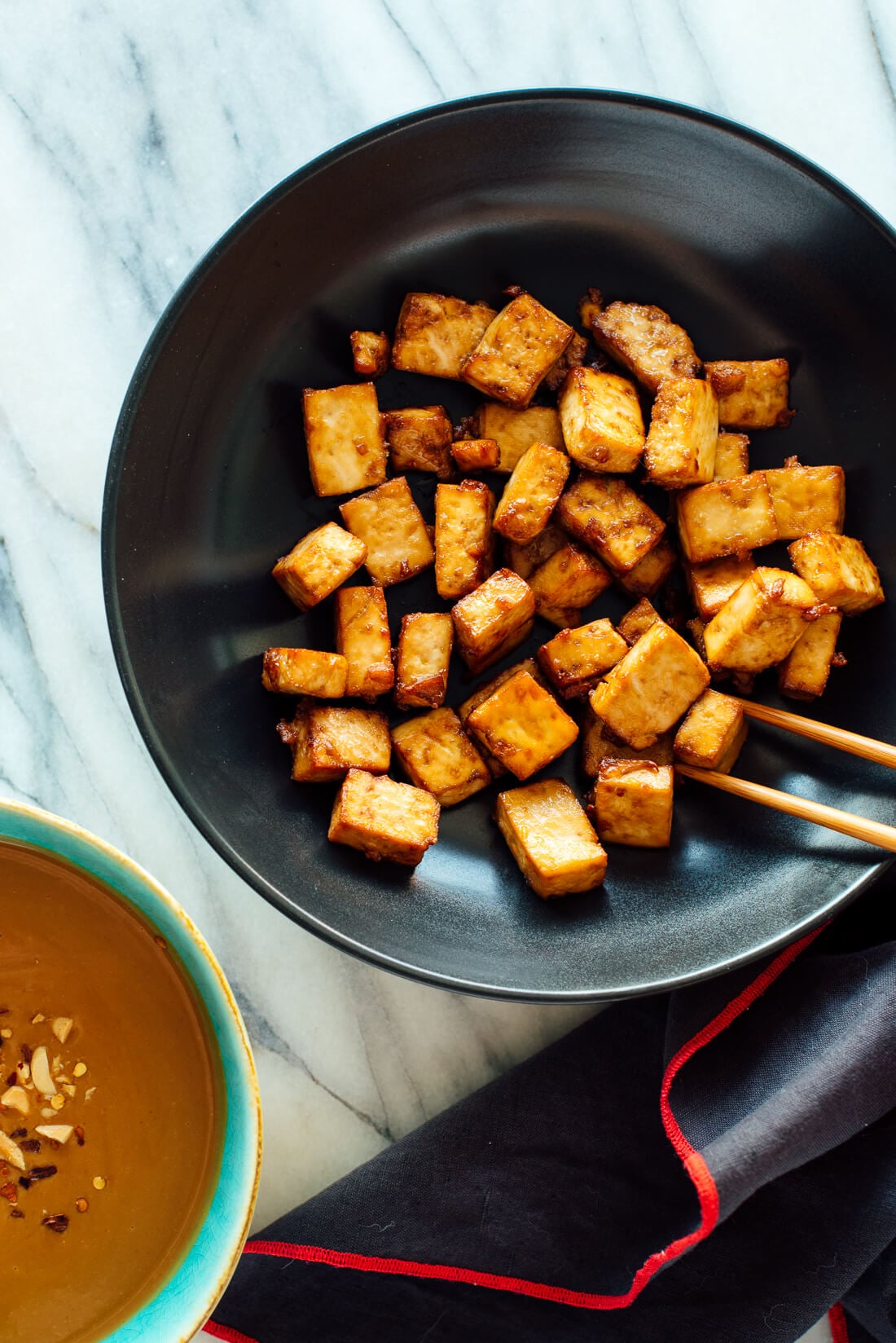
The Quest for Unbelievably Crispy Baked Tofu: Your Ultimate Guide
For many, tofu remains a culinary mystery – a bland, often soggy block that fails to inspire. Yet, for those who’ve unlocked its potential, tofu transforms into a versatile, protein-packed marvel, especially when it achieves that coveted, golden-brown crispness. The journey to perfectly crispy baked tofu can seem elusive, but we're here to reveal the game-changing secrets that will turn even the most skeptical eaters into tofu fanatics. Forget sad, rubbery cubes; get ready for a textural masterpiece where the outside crunches and the inside remains delightfully tender.
The secret to mastering
how to make crispy baked tofu lies in understanding two fundamental principles: efficient moisture removal and the strategic use of starch. These aren't just minor tweaks; they are the pillars upon which truly exceptional crispy tofu is built. Let's dive into the specifics that will elevate your tofu game forever.
The Foundation: Choosing & Preparing Your Tofu Right
The journey to crispy tofu begins long before it hits the oven, starting with your choice of tofu and how you prepare it. This foundational step is arguably the most crucial for achieving that desired crispiness.
Tofu Type Matters: Extra-Firm is Non-Negotiable
First and foremost, ditch any thought of using silken or regular tofu. To achieve true crispness, you *must* opt for extra-firm or super-firm tofu. Super-firm, often found vacuum-sealed without water, is dense and ready to go with minimal pressing. Extra-firm tofu, typically packed in water, is also excellent but will require more thorough pressing. The firmer the tofu, the less water it inherently contains, and the less work you'll have to do to get it ready. Some brands are noticeably firmer than others; a little experimentation can help you find your personal favorite, often a more affordable organic option. When buying soy products, choosing organic varieties can also be a consideration for many.
The Pressing Paradox: Slice First for Superior Moisture Removal
This is the absolute cornerstone of making crispy baked tofu, and it's where many home cooks go wrong. The common wisdom of pressing an entire block of tofu, or even just two halves, simply isn't efficient enough. Why? Because the immense amount of water trapped within the tofu has limited surface area to escape. You end up with soggy puddles and a still-waterlogged interior.
The game-changer is to **slice your tofu into your desired pieces *before* pressing it.** Whether you prefer cubes, triangles, or planks, cutting the tofu first dramatically increases the surface area exposed to pressure. This simple act allows far more moisture to escape, and it does so much faster. Imagine trying to wring out a whole sponge versus cutting it into smaller pieces and squeezing each one individually – the latter is far more effective.
**Practical Pressing Methods:**
* **Tofu Press:** For frequent tofu eaters, an actual tofu press is a fantastic investment. They apply consistent pressure and efficiently drain water.
* **DIY Method:** If you don't have a press, line a plate with a few layers of paper towels (or a clean kitchen towel). Arrange your sliced tofu on top, cover with more paper towels/towel, and place another plate or cutting board on top. Weigh it down with heavy objects like cookbooks or cans.
* **Duration:** Press for at least 30 minutes, ideally an hour or more, especially if using extra-firm tofu packed in water. You'll be amazed at the amount of liquid that comes out.
Properly pressed tofu is the foundation for a truly crispy result. For a deeper dive into this crucial step, read our detailed guide on
Stop Soggy Tofu: Slice, Press & Bake for Ultimate Crispiness.
The Magic Touch: Starch for Unbeatable Crispiness
Once your tofu is expertly pressed and significantly drier, it's time to introduce the unsung hero of crispiness: starch. This simple pantry staple is what truly elevates baked tofu from merely firm to gloriously crunchy.
Beyond Just Baking: The Starch Secret
Starch acts as a dehydrating agent and forms a thin, crisp crust when exposed to heat. When tossed with a little oil and then baked, the starch creates a barrier that prevents the tofu from drying out completely while simultaneously promoting a golden-brown, shattering-crisp exterior. It's the difference between a slightly firm exterior and one that crackles with every bite.
Cornstarch vs. Arrowroot: A Deep Dive
You might wonder which starch is best. Both cornstarch and arrowroot powder work effectively, but they do have subtle differences:
* **Cornstarch:** This is typically the go-to for maximum crispiness. It creates a robust, almost glassy crust. While it's a more processed ingredient, its effectiveness in achieving that irresistible crunch is unparalleled.
* **Arrowroot Powder:** A less processed alternative, arrowroot also yields excellent results. However, it can sometimes create a slightly "slippery" or gummy texture on the surface if the tofu is later added to a very wet dish, like a curry or a saucy stir-fry. For dry applications or dishes where sauce is added *after* the initial crisping, it performs admirably.
**Our Recommendation:** If ultimate crispiness is your sole goal, cornstarch is your best bet. If you prefer a less processed option and are mindful of potential texture changes in very wet dishes, arrowroot is a good alternative.
Coating Technique: Light Oil, Flavor, Then Starch
After pressing, slice your tofu if you haven't already. Then, gently toss the tofu pieces in a bowl with just a tablespoon of neutral oil (like avocado, grapeseed, or even a light olive oil). The oil helps distribute the starch evenly and aids in browning. Next, add your flavorings – a splash of tamari or soy sauce for savory depth, perhaps some spices like garlic powder, onion powder, or a dash of neutral seasonings like coriander and white pepper if you want a subtle base flavor. Finally, sprinkle in your chosen starch (usually 1-2 tablespoons for a block of tofu) and toss until every piece is lightly but evenly coated. Don't overdo the starch; a light dusting is all you need to create that magical crust.
Baking Your Way to Crispy Perfection (No Sticky Skillets!)
With your tofu perfectly pressed and coated, it's time for the final, hands-off step: baking. This method is, without a doubt, superior to pan-frying for consistently crispy results, less mess, and healthier outcomes.
Why Baking Reigns Supreme
Many recipes suggest pan-frying tofu, often leading to frustration. Cast iron skillets, while excellent for many tasks, can be problematic with tofu. It tends to stick, tearing off those precious crispy bits and leaving them welded to the pan. Moreover, pan-frying often requires significantly more oil to prevent sticking and achieve an even crisp.
Baking, on the other hand, offers a more controlled and efficient crisping environment:
* **No Sticking:** When spread in a single layer on a parchment-lined or lightly oiled baking sheet, tofu rarely sticks.
* **Less Oil:** You need only a minimal amount of oil to help with browning and starch adhesion.
* **Even Crispness:** The oven's ambient heat surrounds each piece, promoting uniform crisping on all sides without constant flipping.
* **Pillowy Interior:** The slower, steady heat of the oven allows the exterior to crisp beautifully while the interior warms through and retains a delightful, slightly pillowy texture.
* **Hands-Off:** Once in the oven, you're free to prepare other components of your meal.
The Baking Process: Temperature, Time & Technique
1. **Preparation:** Spread your coated tofu in a single, even layer on a baking sheet. Ensure the pieces aren't touching, as overcrowding can steam them instead of crisping. Using parchment paper is an excellent way to guarantee no sticking and easy cleanup.
2. **Temperature:** Preheat your oven to a high temperature, typically around 400°F (200°C). High heat is key for quick crisping.
3. **Baking Time:** Bake for approximately 25 to 35 minutes, or until the tofu is deeply golden brown and firm to the touch. For maximum crispiness, consider flipping the tofu halfway through the baking time to ensure all sides get direct heat. Don't worry if a few pieces break apart slightly during tossing; they'll still crisp up beautifully.
By embracing the oven, you're setting yourself up for success in producing the most satisfyingly crispy tofu every single time. For more expert advice on achieving this perfect texture, check out our comprehensive guide:
Ultimate Crispy Baked Tofu: Secrets for Perfect Texture & Flavor.
Flavoring Strategies: When to Add the Sauce
You've achieved crispy perfection. Now, let's talk about flavor. This is another area where a common misconception can hinder your delicious efforts.
The Marinade Myth Debunked: Post-Bake is Best!
Many recipes instruct you to marinate tofu for hours before cooking, hoping it will absorb all that delicious flavor. However, water-logged tofu, even after some pressing, isn't particularly good at absorbing marinades deep into its core. The moisture already present creates a barrier. Furthermore, marinating wet tofu can sometimes make it harder to achieve that desired crispness.
The most effective way to infuse your tofu with vibrant flavors is *after* it's baked and crispy. At this stage, the tofu has expelled significant moisture, creating a more porous, absorbent texture.
Post-Bake Flavor Infusion Techniques:
* **Tossing in Sauce:** The simplest and often most effective method. Once your tofu comes out of the oven, immediately toss it in a bowl with your desired sauce (peanut sauce, teriyaki, sweet chili, gochujang, etc.). The hot, crispy tofu will soak up the flavors beautifully, and the sauce will cling to its textured surface.
* **Quick Sauté:** For thicker sauces or glazes, you can quickly sauté the crispy tofu in a skillet with the sauce for 1-2 minutes over medium heat. This allows the sauce to thicken and coat the tofu thoroughly, creating a delicious glaze.
* **Drizzling:** If you prefer a lighter touch or are adding the tofu to a dish where the sauce is already present, simply drizzle your preferred sauce over the crispy tofu just before serving.
While the main saucing should happen post-bake, you can certainly add neutral, dry seasonings (like bouillon powder, nutritional yeast, salt, pepper, or the aforementioned coriander/white pepper) to the tofu *before* baking, along with the oil and starch. This provides a flavorful base without adding moisture that would hinder crisping. A touch of brown sugar in this initial seasoning can also aid in browning and add a subtle sweetness.
Crispy Baked Tofu: Your Culinary Canvas
Now that you've mastered
how to make crispy baked tofu, you'll discover it's incredibly versatile. It transcends mere vegetarian fare, becoming a hearty, satisfying protein that fits seamlessly into a multitude of cuisines and dishes.
Think beyond a simple side dish. This crispy tofu is phenomenal when tossed into:
* **Asian-Inspired Bowls:** Pair with rice, stir-fried vegetables, and your favorite Asian dressing.
* **Curries:** Add it at the end to maintain its texture, rather than letting it simmer and soften.
* **Fried Rice:** A fantastic plant-based replacement for eggs or chicken in dishes like Thai pineapple fried rice or kale and coconut fried rice.
* **Salads:** Adds a delightful crunch and protein boost.
* **Wraps & Sandwiches:** A satisfying alternative to meat.
* **Noodle Dishes:** Complements both hot and cold noodle salads.
With its hearty texture and ability to soak up flavor post-bake, this crispy tofu is a powerhouse of vegetarian and vegan protein that can elevate any meal.
Conclusion: Embrace the Crisp, Ditch the Soggy
The quest for truly crispy baked tofu ends here. By understanding and implementing these game-changing techniques – starting with extra-firm tofu, slicing and pressing it efficiently to remove excess moisture, utilizing starch for that unbeatable crunch, and embracing the hands-off reliability of oven-baking – you're on your way to tofu perfection. Remember to flavor your crispy tofu *after* baking for maximum impact, allowing its newly porous texture to soak up every drop of delicious sauce. Say goodbye to soggy, disappointing tofu forever and hello to a world of culinary possibilities, where crispy, flavorful tofu is no longer an elusive beast, but a consistent, delightful reality in your kitchen.